On April 20, the Bureau of Agriculture and Rural Affairs of Xinyi City organized the "2023 Publicity Week of Trustworthy Agricultural Inputs Going to Villages and Training Class for Cultivating High-Quality Farmers (Grape Cultivation) in Town Ahu." Lanfeng Crop Technology was invited to participate, vigorously promoting knowledge on identifying genuine and counterfeit agricultural inputs to agricultural-input trading enterprises (households) and the general public, and providing agricultural knowledge training to farmers.
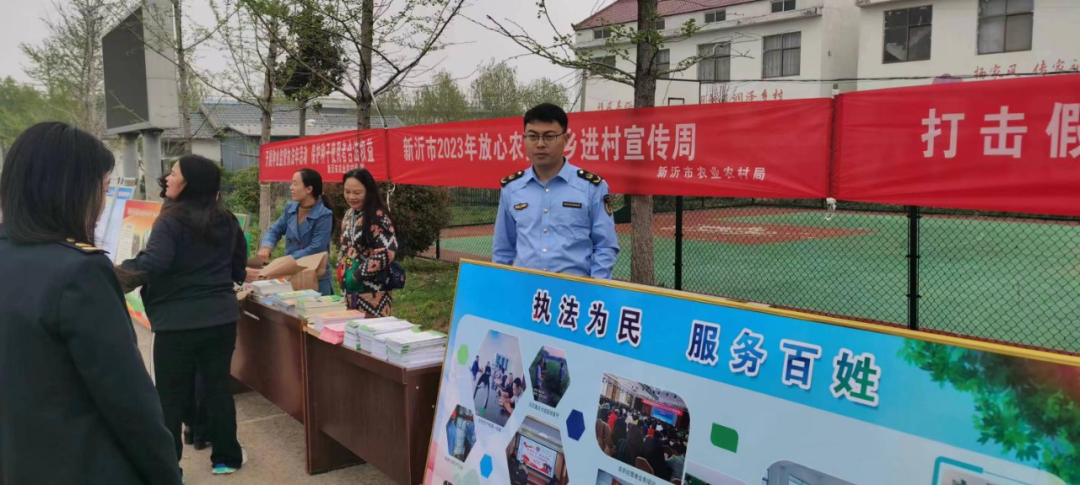
Lanfeng Crop Technology carefully prepared samples of relevant pesticide products and promotional materials, providing farmers with knowledge on pesticides and crop planting. In front of the Lanfeng Crop Technology booth, many grape growers stopped to look and inquire. Product Manager Gao Zhaosheng stated: the cost of trial and error in agriculture is high, and growers generally worry about buying counterfeit pesticides and fertilizers, which could cause reduced yields or total crop failure; mastering the skills to identify counterfeit pesticides is therefore especially important.
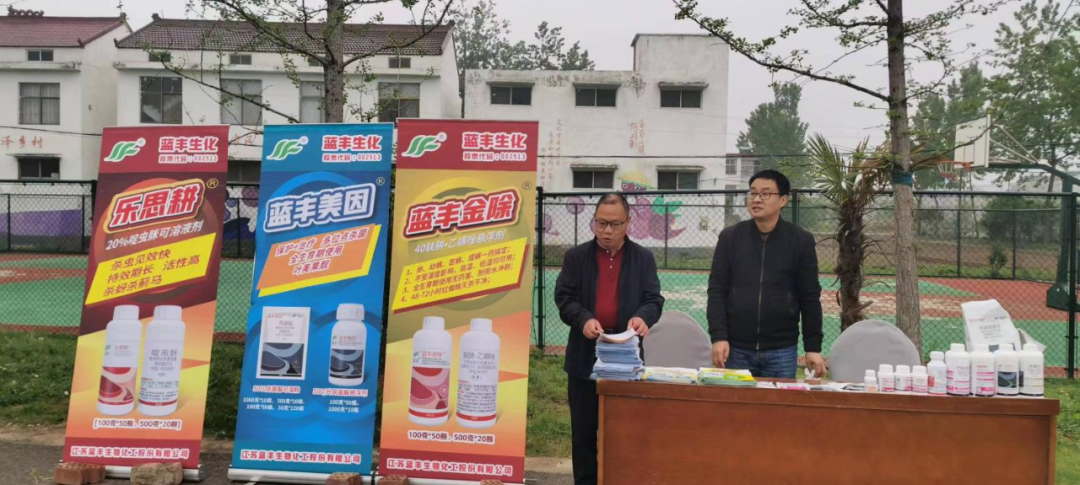
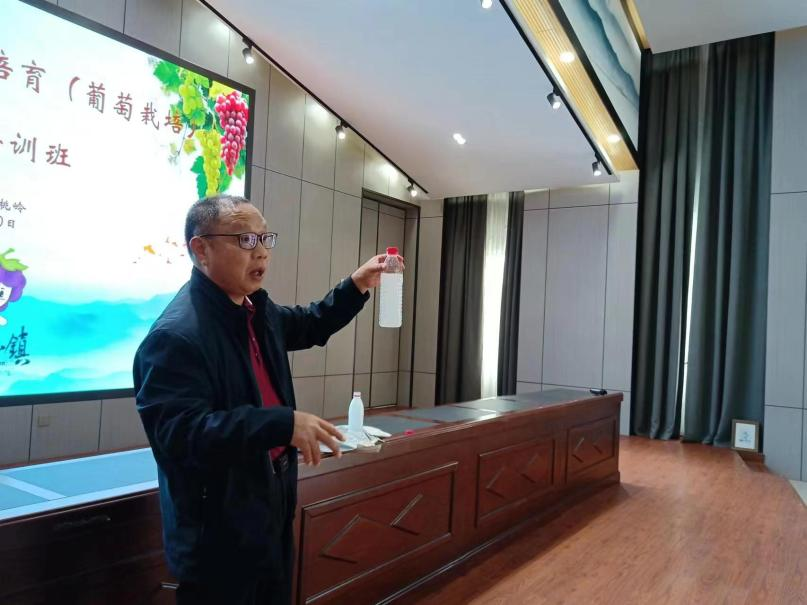
Tao Xinyong, Director of the Product Promotion Department of Lanfeng Crop Technology, gave a detailed introduction in the training class to the grape growers on the pros and cons of pesticide formulations and methods for identifying counterfeit agricultural inputs. He explained in detail the control targets, usage, and dosage of the product Lanfeng Meiyin (500 g/L iprodione suspension concentrate), and demonstrated on site the superior water-dispersibility of the Lanfeng Meiyin suspension concentrate.
In 2019, the geographical indication trademark "Ahu Grape" of Xinyi was successfully registered. At present, a grape planting area of nearly 100,000 mu (about 6,667 ha) centered on Ahu has basically taken shape in the Xinyi region, with an output value of nearly RMB 2 billion. Lanfeng Crop Technology actively participates in the "Trustworthy Agricultural Inputs Going to Villages" publicity activities, popularizing agricultural-input knowledge to growers and delivering technology to rural areas, so as to make agriculture stronger, rural areas more beautiful, and farmers richer, and to help surrounding grape growers "use good seeds, identify counterfeit agricultural inputs, demonstrate good pesticides, and apply good technology."